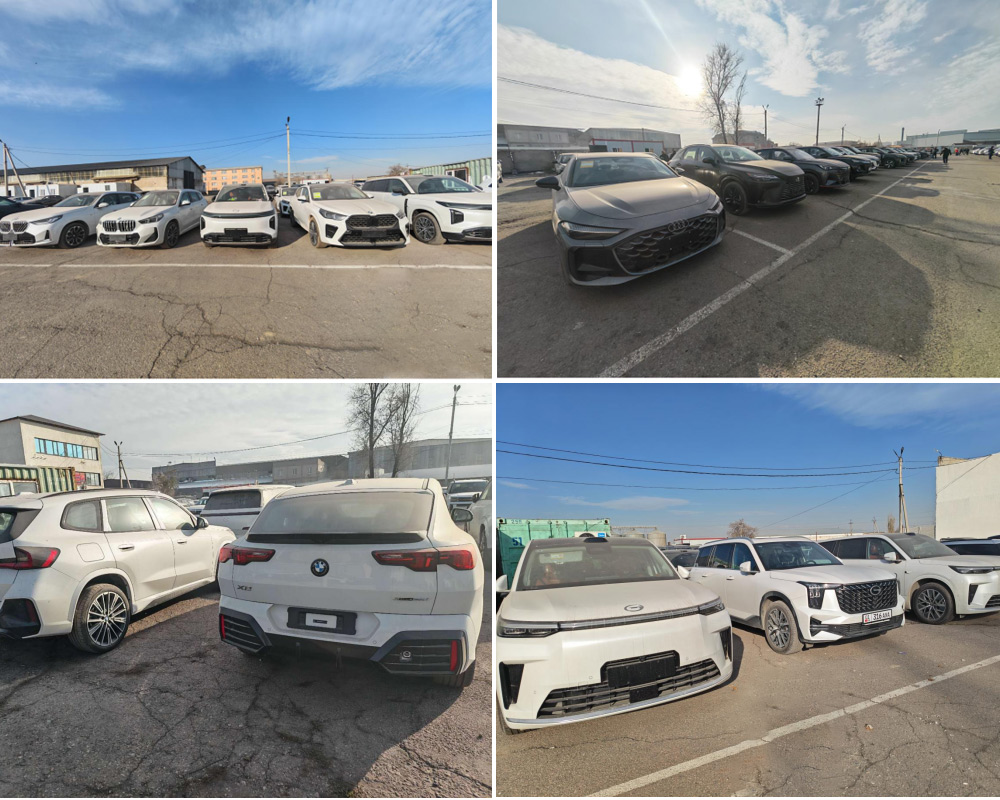
1. Specify the vehicle model, configuration, quantity, and port/border of delivery; determine the trade terms (FOB/CIP, etc.); and assign responsibilities and risks.
2. Verify the importing country's access requirements: emissions, safety standards, vehicle age, mileage limits, taxes, and registration requirements.
3. Select a domestic supplier with export qualifications and confirm their ability to handle export licenses, customs declarations, and supporting documentation.
4. Sign a foreign trade contract, specifying the price, payment method (VTB, cash, etc.), and delivery terms.
5. Pay according to the contract; the exporter simultaneously signs a domestic purchase contract, securing the vehicle source and issuing invoices.
6. The exporter declares customs through the International Trade Single Window, submits all required documents, cooperates with customs inspection, and completes the release process.
7. Arrange land transportation, loading, and obtain the bill of lading; purchase transport insurance, specifying the type of insurance and coverage amount.
8. Declare to local customs with the bill of lading, invoice, packing list, certificate of origin, permits, and required certifications from the importing country.
9. Pay customs duties, value-added tax, and other taxes and fees; cooperate with inspections; complete local mandatory testing, environmental audits, and purchase insurance.
10. Complete registration, obtain license plates, and complete delivery and acceptance.
Vehicles in Khorgos
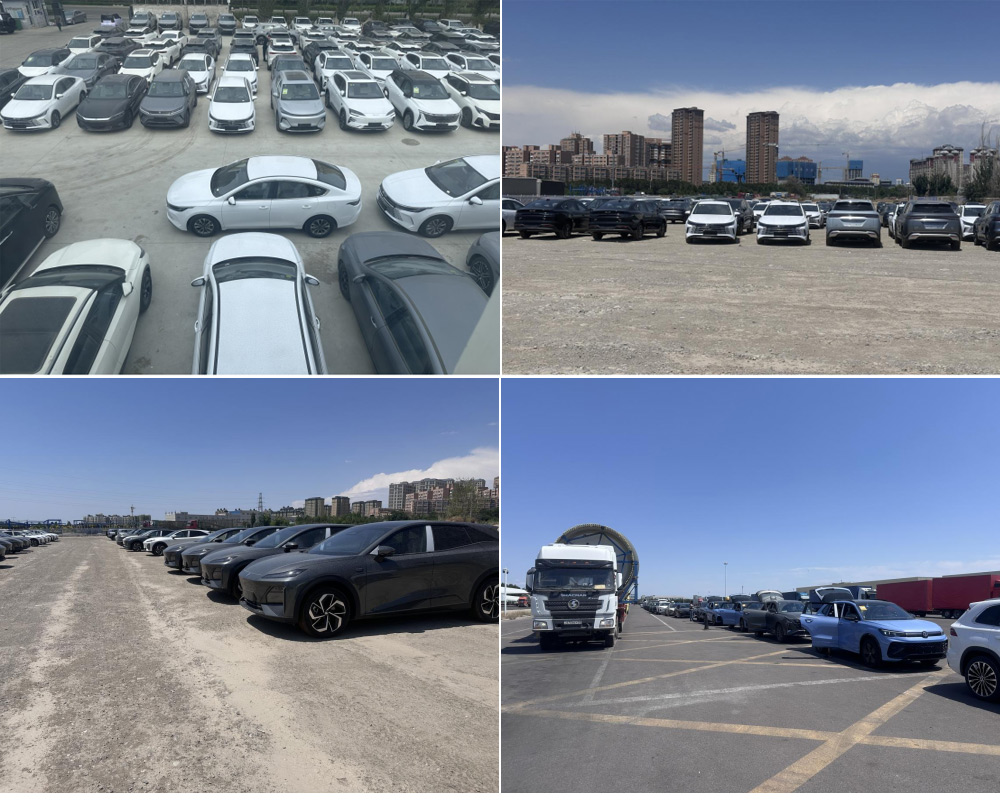
Bishkek Office